



Ligands for Target Protein for PROTAC
Target Protein-binding Moiety
The PROTAC molecule consists of a target protein ligand and an E3 ubiquitin ligase ligand, with a linker binds them together. The ligand for target protein will lead to attachment of a PROTAC to the proteins of interest for ubiquitin and subsequent degradation.
Target proteins are usually proteins whose overexpression or accumulation may play important roles in the progress of diseases. Numbers of PROTACs have been developed to degrade kinases (such as MEK, KRAS, CDK and Bcr/Abl), transcription factors (such as p53, STAT, RAR, ER and AR), epigenetic tools (such as HDAC and BET bromodomain) and E3 ligase themselves (such as MDM2).
All Product Categories
-
Ligands for Target Protein for PROTAC Inhibitors
(3)
View all products
-
Ligands for Target Protein for PROTAC Chemicals
(6)
View all products
-
Ligands for Target Protein for PROTAC Degrader
(1)
View all products
-
Ligands for Target Protein for PROTAC Controls
(9)
View all products
-
Ligands for Target Protein for PROTAC Ligands
(12)
View all products
-
Ligands for Target Protein for PROTAC Related Products (681)
Related Products (681)

-
Related Compound Screening Libraries (1)
-
Vercirnon
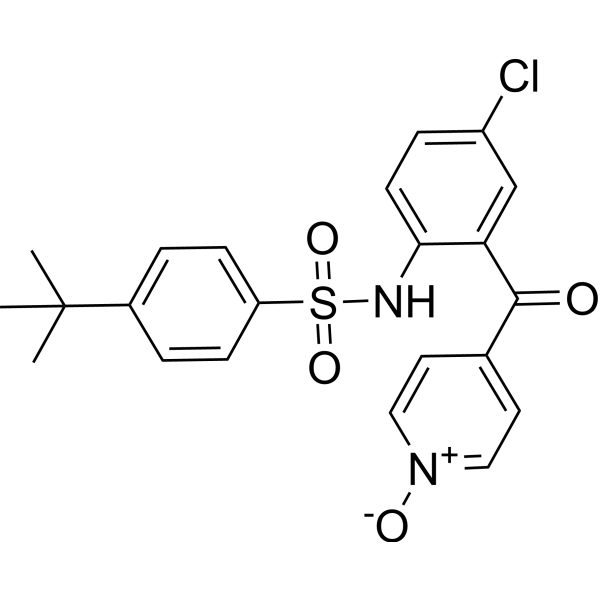 0 ImagesSynonyms: GSK-1605786; CCX282-B; Traficet-ENVercirnon (GSK1605786A) is an orally bioavailable, selective, and potent antagonist of CCR9. Vercirnon inhibits CCR9-mediated Ca2+ mobilization and chemotaxis on Molt-4 cells with IC50 values of 5.4 and 3.4 nM, respectively. Vercirnon is selective for CCR9 over CCR1-12 and CX3CR1-7 (IC50s>10 μM for all). Vercirnon is an equipotent inhibitor of CCL25-directed chemotaxis of both splice forms of CCR9 (CCR9A and CCR9B) with IC50 values of 2.8 and 2.6 nM, respectively.
-
BI-9321 trihydrochloride
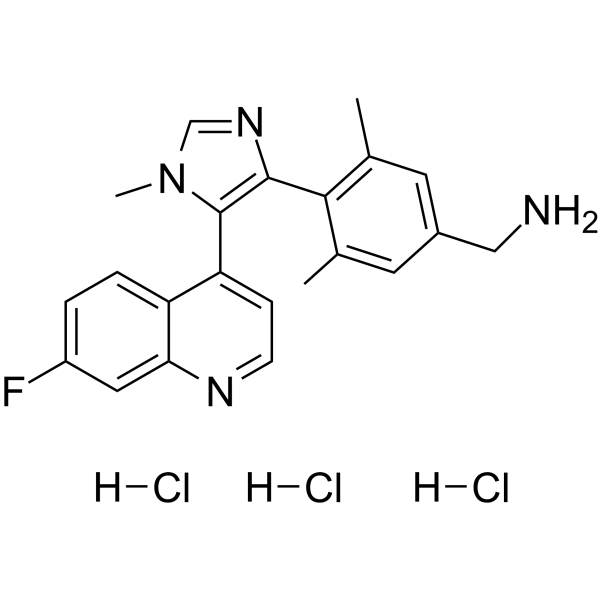 0 ImagesBI-9321 trihydrochloride is a potent, selective and cellular active nuclear receptor-binding SET domain 3 (NSD3)-PWWP1 domain antagonist with a Kd value of 166 nM. BI-9321 trihydrochloride is inactive against NSD2-PWWP1 and NSD3-PWWP2. BI-9321 trihydrochloride specifically disrupts histone interactions of the NSD3-PWWP1 domain with an IC50 of 1.2 μM in U2OS cells.
-
I-BET762 carboxylic acid
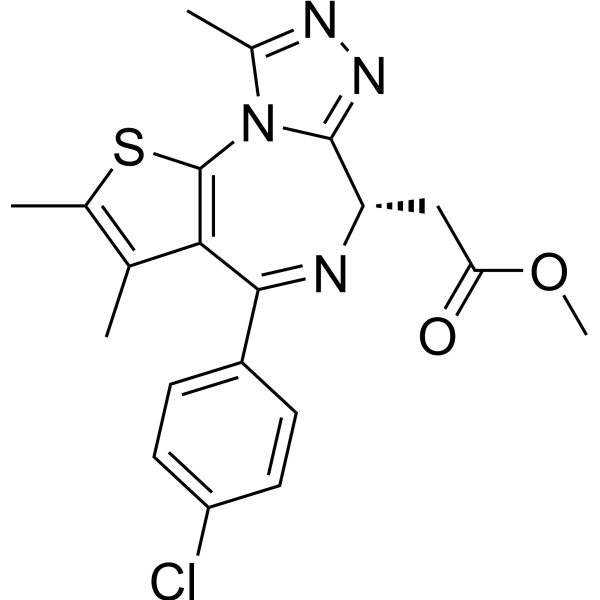
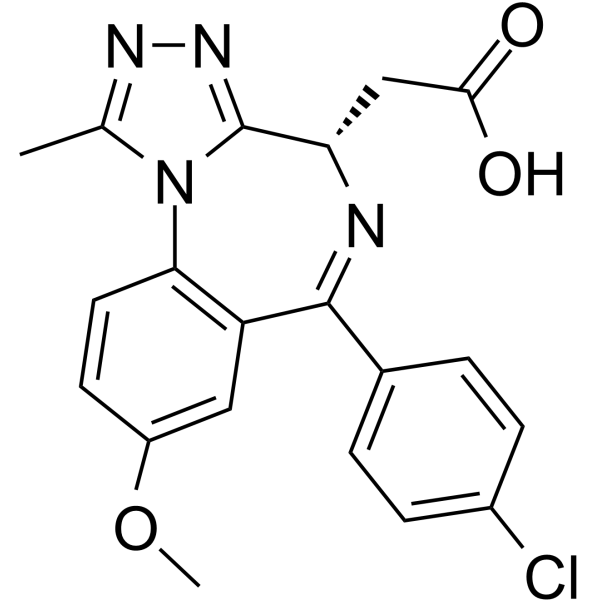 0 ImagesSynonyms: Molibresib carboxylic acid; GSK525762A carboxylic acid; PROTAC BRD4-binding moiety 2

-
Clofibric acid
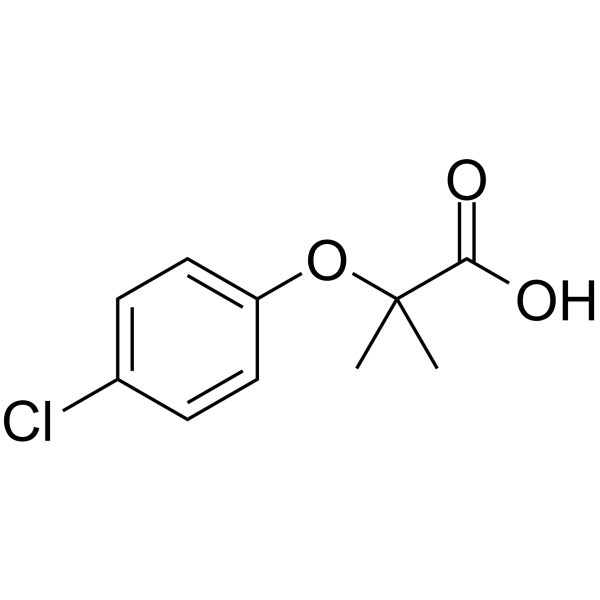 0 ImagesClofibric acid (Chlorofibrinic acid) is an orally active PPARα agonist. Clofibric acid inhibits the fimbriation of Escherichia coli. Clofibric acid increases SOD activity. Clofibric acid lowers blood lipids and prevents experimental pyelonephritis. Clofibric acid has anticancer activity against ovarian cancer. Clofibric acid is also a herbicide. Clofibric acid is used in ovarian cancer, liver cancer, obesity, and urinary tract infection research.
-
RG3039
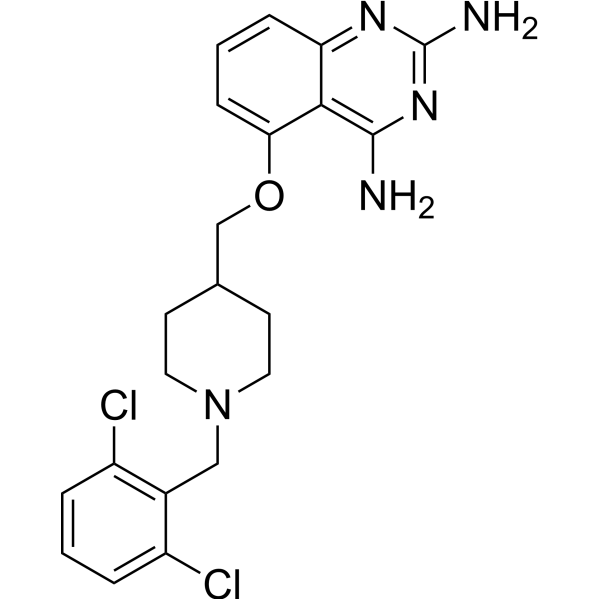 0 ImagesSynonyms: PF-06687859RG3039 (PF-06687859) is an orally active, blood-brain barrier-permeable DcpS inhibitor with an IC50 of 4.2 nM against hDcpS. RG3039 inhibits the decapping activity of DcpS and maintains DcpS in a catalytically inactive conformation in the central nervous system and other tissues. RG3039 extends survival and improves function in spinal muscular atrophy mice. RG3039 is applicable to research related to spinal muscular atrophy.
-
AP1867-2-(carboxymethoxy)
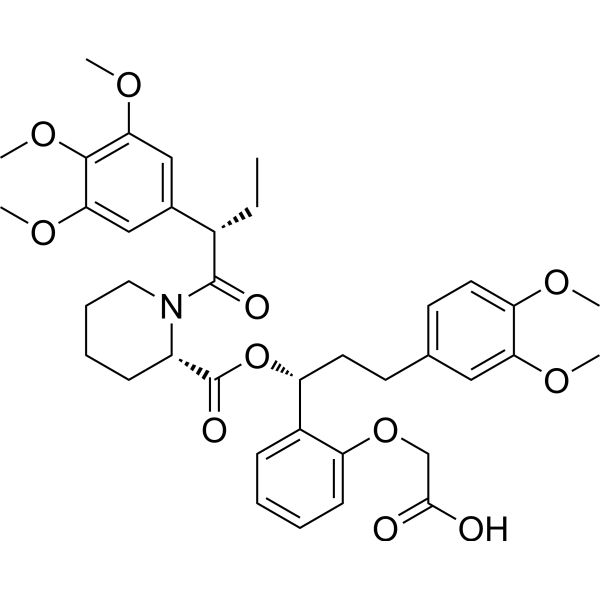 0 ImagesSynonyms: PROTAC FKBP12-binding moiety 2AP1867-2-(carboxymethoxy), the AP1867 (a synthetic FKBP12F36V-directed ligand) based moiety, binds to CRBN ligand via a linker to form dTAG molecules.
-
Navitoclax-piperazine
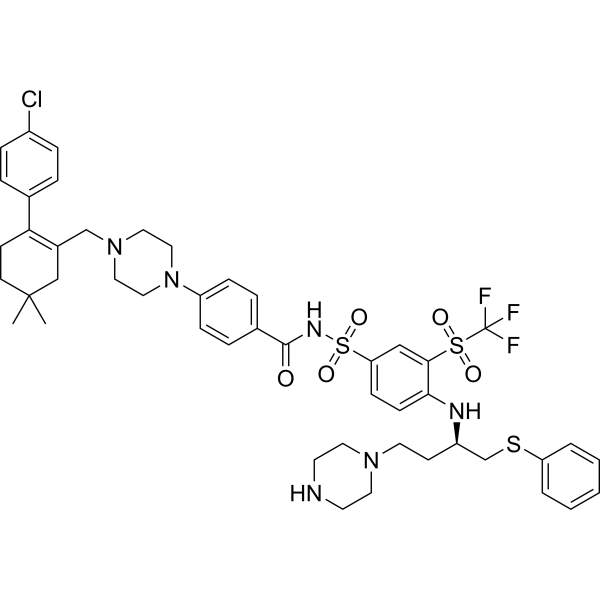 0 ImagesSynonyms: ABT-263-piperazineNavitoclax-piperazine (ABT-263-piperazine) is a Navitoclax (HY-10087) analog and BCL-XL inhibitor. Navitoclax-piperazine is the ligand for target protein of PROTAC DT2216 (HY-130604). Navitodax-pperaie and E3 ubiquitin ligase VHL ligand can be used to synthesize PROTAC DT2216 (HY-130604).
-
Abemaciclib metabolite M18 hydrochloride
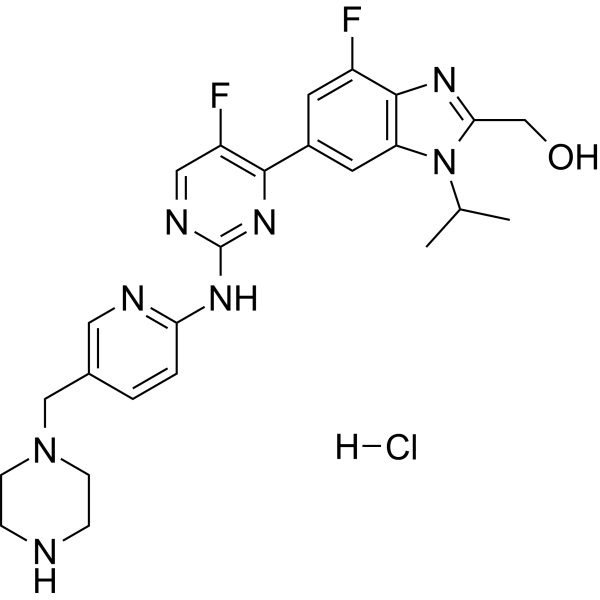 0 ImagesSynonyms: LSN3106729 hydrochlorideAbemaciclib metabolite M18 (LSN3106729) hydrochloride, the metabolite of Abemaciclib (HY-16297A), is a CDK inhibitor with antitumor activity. Abemaciclib metabolite M18 hydrochloride and a CRBN ligand have been used to design PROTAC CDK4/6 degrader.
-
N-Descyclopropanecarbaldehyde Olaparib
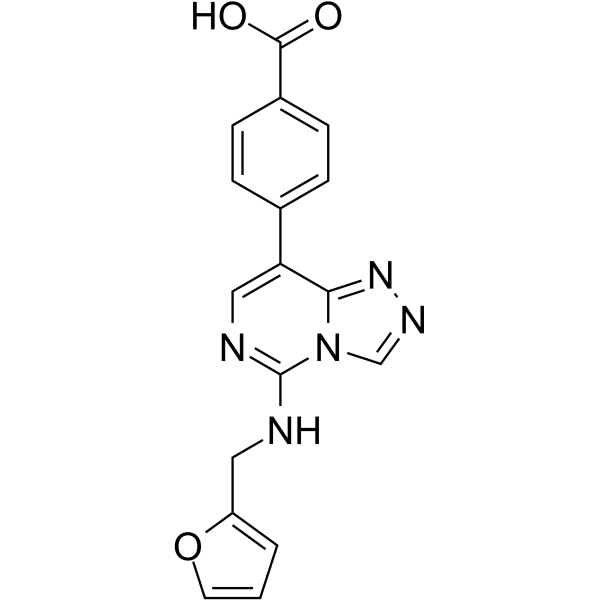
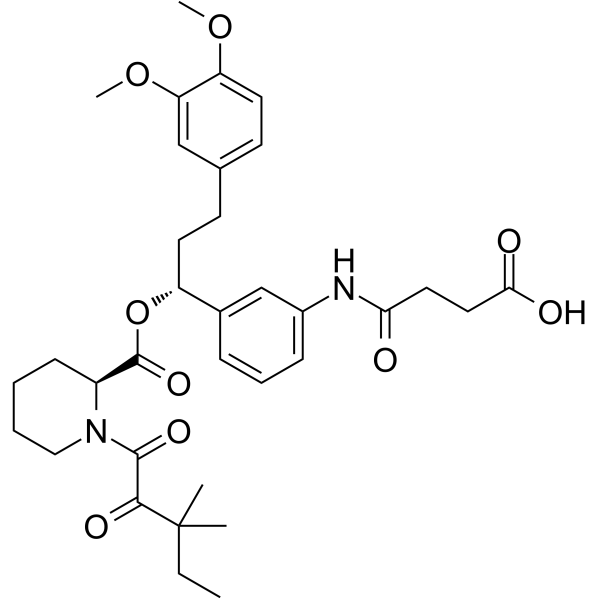
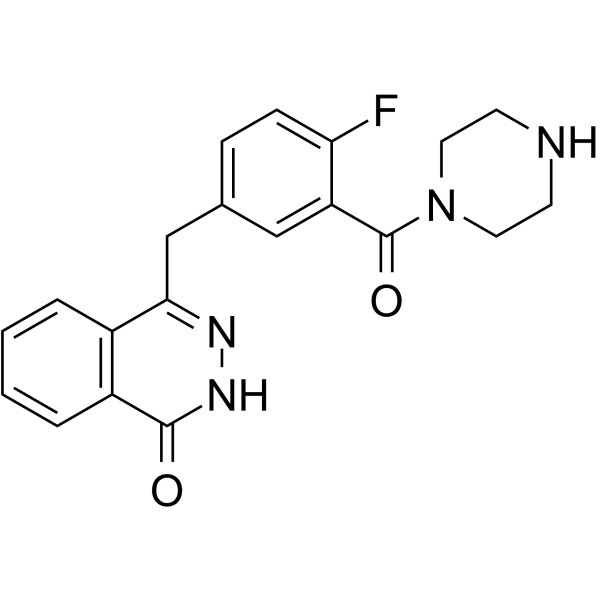 0 ImagesN-Descyclopropanecarbaldehyde Olaparib is an analogue of Olaparib (HY-10162) containing DOTA moiety. N-Descyclopropanecarbaldehyde Olaparib is a PARP inhibitor used for synthesizing novel dual EGFR and PARP PROTAC, DP-C-4 (HY-141481). N-Descyclopropanecarbaldehyde Olaparib can be radiolabeled with F-18 or fluorophore for positron emission tomography (PET) or optical imaging in several types of tumor.
-
TMX-3013
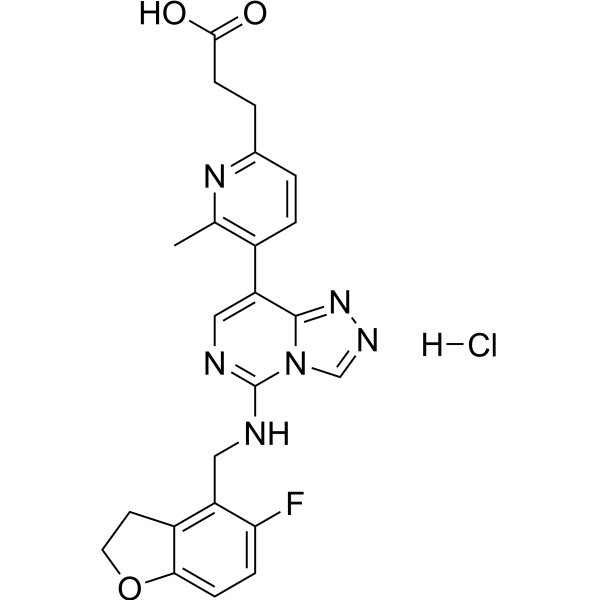
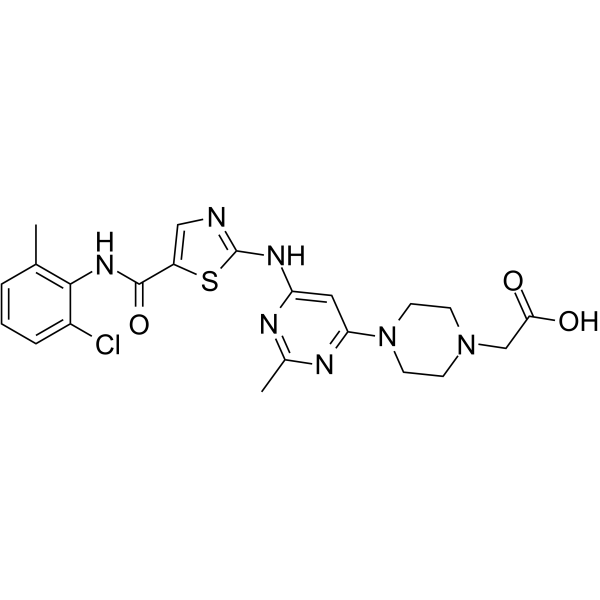
 0 ImagesTMX-3013 is a CDK inhibitor capable of inhibiting the activity of CDK1, CDK2, CDK4, CDK5, and CDK6, with IC50 values of 0.9 nM, <0.5 nM, 24.5 nM, 0.5 nM, and 15.6 nM, respectively. TMX-3013 can be used as a target protein ligand, conjugated with the PROTAC linker and the CRBN ligand Thalidomide (HY-14658) for the synthesis of PROTAC TMX-2138 (HY-164906). TMX-3013 can also act as an effector ligand, binding to target proteins HaloTag or FKBP, and can be used in the synthesis of regulated induced proximity targeting chimeras (RIPTACs).
-
Abemaciclib metabolite M18
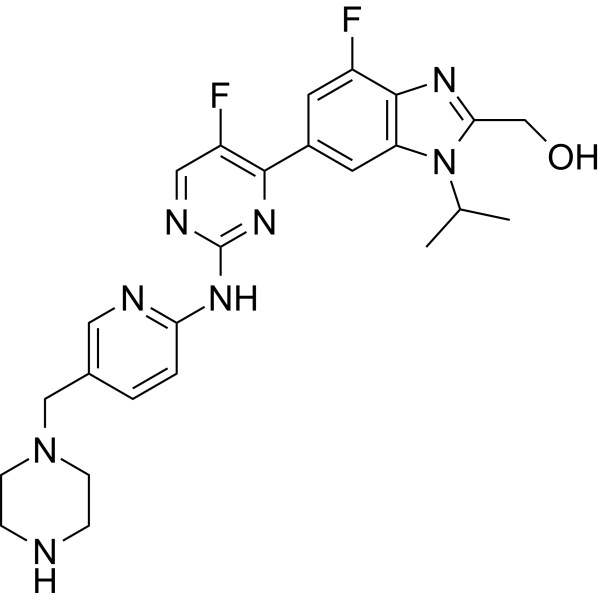 0 ImagesSynonyms: LSN3106729Abemaciclib metabolite M18 (LSN3106729), the metabolite of Abemaciclib (HY-16297A), is a CDK inhibitor with antitumor activity. Abemaciclib metabolite M18 and a CRBN ligand have been used to design PROTAC CDK4/6 degrader.
-
Pittsburgh Compound B
 0 ImagesSynonyms: PiB; 6-OH-BTA-1Pittsburgh Compound B (PiB) is a blood-brain barrier-permeable, specific Aβ deposition PET tracer that binds to Aβ(1-40) fibrils with a Ki value of 678.4 nM. Through click chemical modification (a clickable Pittsburgh Compound B derivative is prepared by introducing a PEG3 linker and an alkynyl group at the 6-hydroxy site of Pittsburgh Compound B, followed by covalent conjugation with azide-labeled fluorescent dyes or affinity tags via copper-catalyzed azide-alkyne cycloaddition (CuAAC)), Pittsburgh Compound B and its conjugates can be used for fluorescence imaging, ultrastructural studies, and enrichment and characterization of Aβ complexes. Pittsburgh Compound B is applicable to Alzheimer's disease research.



